

Key Specifications
Description
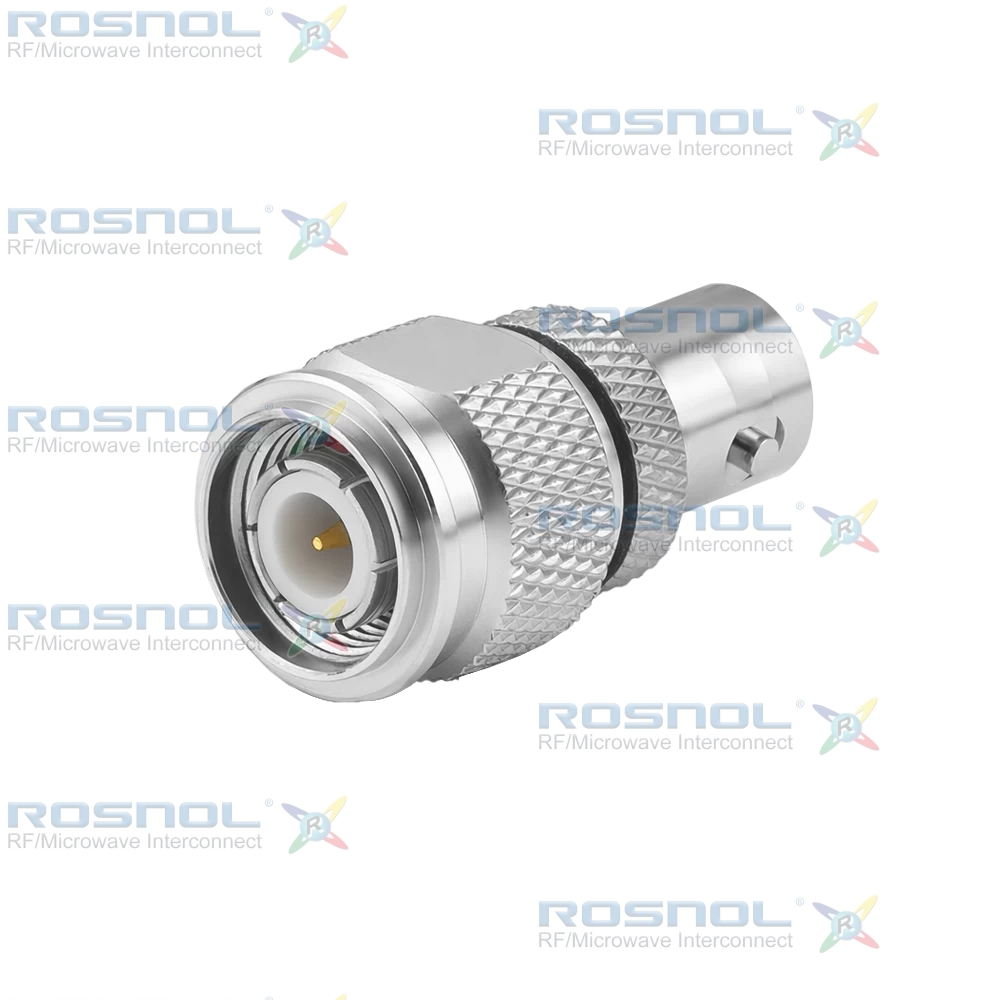
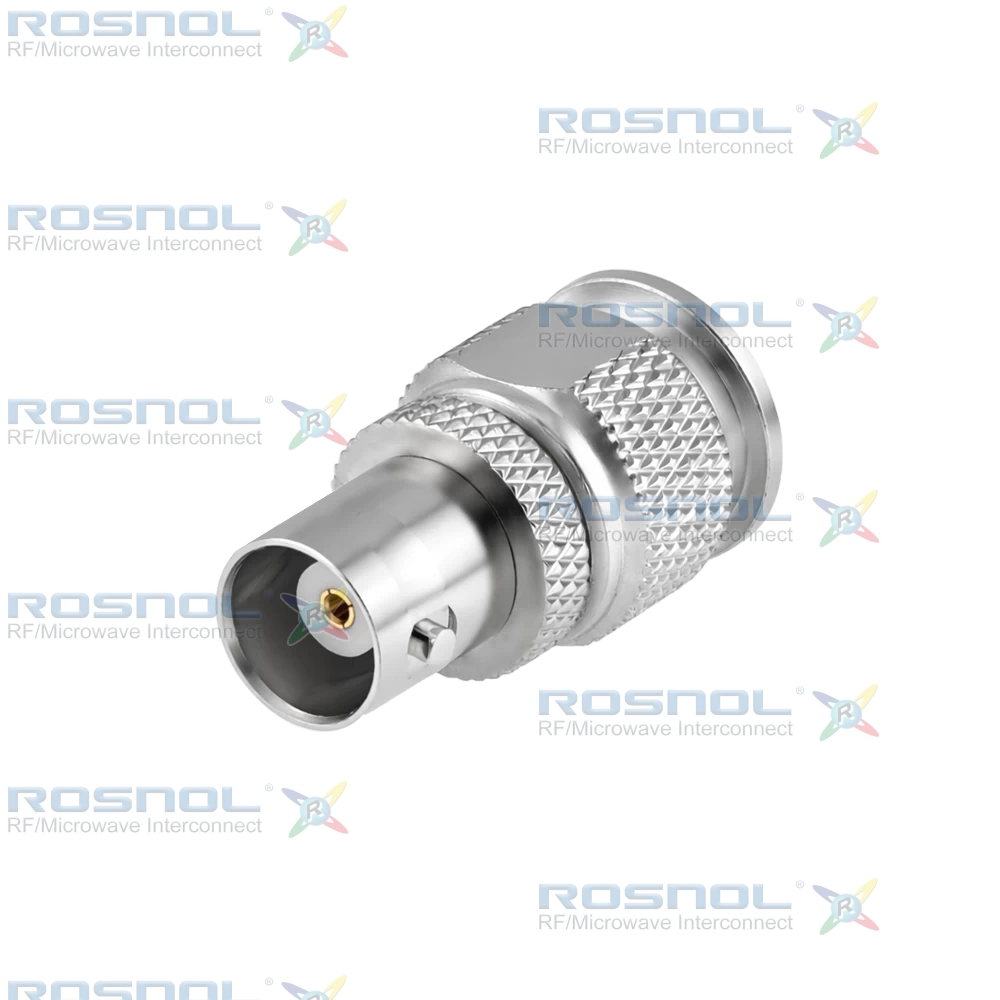
TNC Plug (Male) to BNC Jack (Female) | Straight Design | Screw-Lock & Bayonet-Lock | Brass Body
The ROSNOL AD-T1B25A/133-H3 is a precision 50 Ω RF adapter designed to connect TNC Plug (Male) and BNC Jack (Female) interfaces in systems operating from DC to 4 GHz. Featuring a low VSWR of ≤ 1.20, low insertion loss, and stable impedance matching, this straight adapter helps preserve signal integrity in wireless communication equipment, RF test systems, instrumentation platforms, antenna networks, and broadcast applications. The combination of a threaded TNC connection and a quick-connect BNC bayonet interface provides both secure retention and installation efficiency.
The adapter utilizes a gold-plated brass center contact on the TNC side, a gold-plated phosphor bronze center contact on the BNC side, nickel-plated brass bodies, PTFE insulators, and a silicone rubber gasket. Brass provides an excellent balance of electrical conductivity, mechanical strength, and cost efficiency. Phosphor bronze offers superior spring characteristics and long-term contact reliability, while gold plating minimizes contact resistance. Nickel plating enhances corrosion resistance and durability for extended service life.
ROSNOL AD-T1B25A/133-H3 is manufactured in ISO 9001-certified facilities and complies with RoHS and REACH requirements. This TNC-to-BNC adapter is an ideal solution for integrating different RF connector standards while maintaining dependable electrical performance, mechanical durability, and reliable signal transmission.